The Intricate World of Jueteng and the Role of Manaloplay
Jueteng is an illegal numbers game that has long been a part of Filipino culture. Despite efforts to eradicate it, jueteng remains prevalent, thriving in the complex societal and economic structures of the Philippines. Central to this underworld game is the figure known as the Manaloplay, who plays a crucial role in its operations. Understanding jueteng requires delving into its historical roots, the mechanics of the game, and the pivotal role of the Manaloplay.
Historical Background of Jueteng
Jueteng's origins can be traced back to the Spanish colonial period when it was introduced as a simple lottery game. Over the years, it evolved into a massive underground operation involving multiple layers of society. Despite its illegal status, jueteng has maintained its popularity, particularly in rural areas where it often serves as a source of livelihood.
The game's resilience can be partly attributed to its adaptability, altering its mechanisms to evade law enforcement and integrate modern technology. This adaptability is best exemplified by the role of the Manaloplay, who ensures the seamless collection and distribution of bets.
Mechanics of the Jueteng Game
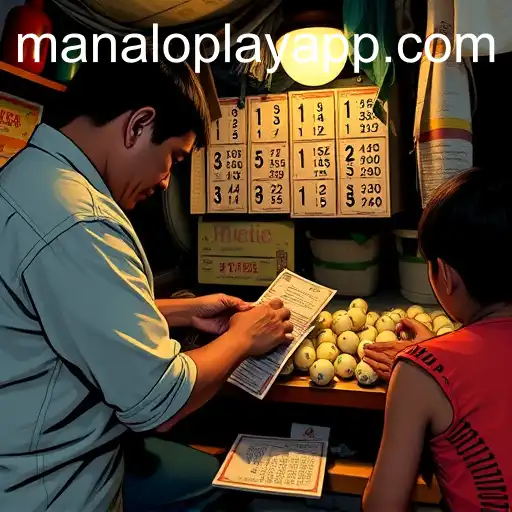
At its core, jueteng is simple yet ingenious. Players select a combination of numbers, often from 1 to 37, and place their bets with an kubrador, or bet collector. The results are determined randomly, usually based on the drawing of balls or other selection methods. Winners are those whose numbers match the drawn combination, and they receive a pre-determined payout.
The Manaloplay acts as an intermediary between the operators and the bettors, ensuring the integrity and liquidity of the game. This individual is critical not only in the logistics of the operation but also in maintaining trust among players despite the illegal nature of the activity.
The Role of Manaloplay
The term Manaloplay refers to an individual who manages the betting process and serves as a bridge between the bettors and the game organizers. They are responsible for ensuring the flow of cash and bets, managing the network of kubradors, and addressing any disputes or distrust among participants. Often, they have deep-rooted connections within the communities they serve, making them indispensable to the game's continuity.
More than just handlers, Manaloplays are often seen as power figures within their communities, wielding influence that extends beyond jueteng. Their ability to operate under the radar of law enforcement highlights their importance and the challenges faced in attempts to clamp down on jueteng operations.
Socioeconomic Impact of Jueteng
Jueteng persists due to its deep entrenchment in the socioeconomic fabric of the Philippines. It provides employment to thousands, from the top-level organizers to the grassroots level kubradors. The income generated through these operations often supports entire families, making it a complex issue to address purely through prohibition.
Communities often view jueteng as a necessary evil, a sentiment that is perpetuated by the Manaloplays, who tactically distribute portions of the revenues back into the communities, albeit informally. Educational materials, social events, and local initiatives are sometimes funded by proceeds from jueteng, blurring the lines between legality and societal benefit.
Challenges in Eradication
Efforts to eliminate jueteng have been ongoing, with varying degrees of success. The game has proven resistant to eradication for several reasons, including the tacit acceptance by communities and local government officials who either turn a blind eye or are complicit in the operations.
Moreover, the digital age has introduced new platforms for jueteng to thrive. Betting is no longer confined to dark alleyways and hidden dens but has migrated online, introducing further complications in regulation and enforcement. Manaloplays have adapted to these changes, often overseeing operations that now leverage technology to expand their reach.
The Future of Jueteng and Manaloplay
The future of jueteng remains uncertain. While regulatory measures continue to adapt, so too does the game. Discussions around legalizing certain types of betting, such as state-controlled lotteries, have emerged as possible solutions to integrate these activities into the formal economy; however, such measures face significant opposition and logistical challenges.
The role of the Manaloplay will undoubtedly evolve alongside these developments. Their intricate knowledge of both the operational and human aspects of jueteng will either find new applications within these formal structures or, paradoxically, push the game further underground.
In conclusion, jueteng represents a dynamic confluence of culture, economics, and legality. The Manaloplay stands at the center of this confluence, embodying the complexity and resilience of the game itself. As authorities and communities navigate the challenges posed by jueteng, understanding the multifaceted role of the Manaloplay becomes essential in crafting informed and effective policies.